

Student B — Against smartphones at eleven
You believe that eleven is too young to have a smartphone. Children can use a basic phone for calls and texts and access online learning on a shared computer.
Use these ideas to support your position:
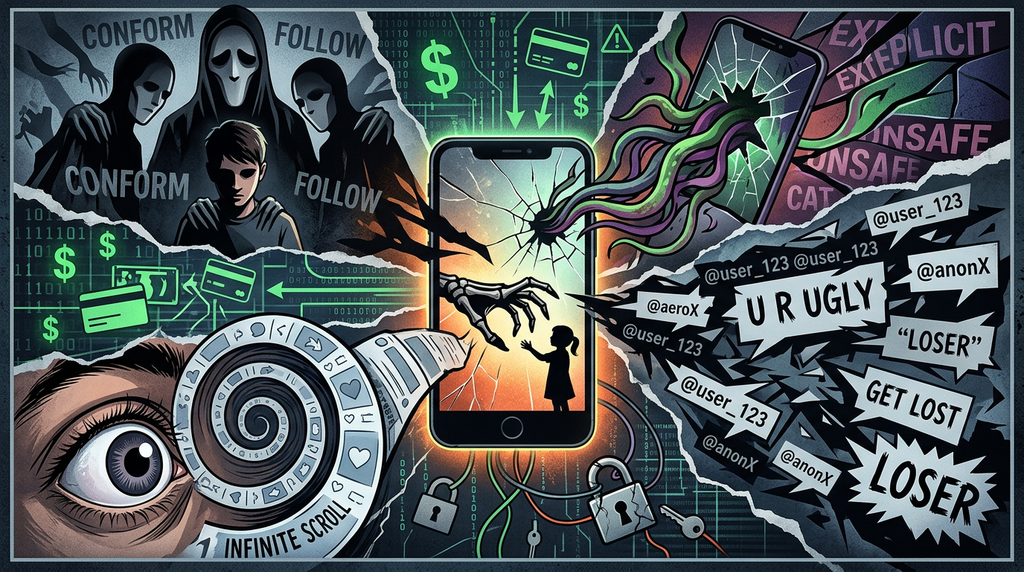
- Bad influences: Influencers and online groups can encourage risky behaviour, unrealistic expectations and pressure to fit in.
- Inappropriate content: Children may come across violent, sexual or disturbing material, even when they are not looking for it.
- Online bullying: Hurtful messages, rumours and embarrassing images can follow children home and reach a large audience.
- Grooming and coercion: Someone online may gain a child’s trust, then pressure them to share private information or images, keep secrets or do things they are uncomfortable with.
- Endless scrolling: Personalised feeds, notifications and unpredictable rewards encourage children to keep checking. You worry about the effects on sleep, concentration and developing self-control.
- Advertising and privacy: Apps can collect information about children’s habits and location. Targeted adverts and paid promotions encourage spending, and children may not understand how their data is used.
Prepare a response to arguments about safety, friendships and schoolwork. Think about alternatives you could offer.
Language to use
- What worries me most about giving an eleven-year-old a smartphone is …
- The problem with relying on parental controls is …
- Surely children don’t need a smartphone just to …?
- Wouldn’t a basic phone make more sense if …?
- If I’ve got it right, you’re suggesting that …?
- That may be true, but what happens if …?
Your starting point:
“Being able to contact your parents is important, but that doesn’t mean you need constant access to social media and the internet.”